

The President’s January 7 Executive Order threatened penalties for contractors that were both "underperforming" and engaged in stock buybacks or other distributions. Some observers quickly assumed that this Order—and accompanying White House actions—introduced a new enforcement tool that would trigger legal challenges from traditional defense contractors. We viewed those assumptions as misplaced, and still do. The Pentagon already wields ample influence through existing contractual, budgetary, and regulatory processes to shape contractor behavior. Rather than creating new punitive mechanisms, the Order and related initiatives signal a redefinition of who can participate meaningfully in the defense industrial base. They convey both a welcoming posture toward new entrants and clear behavioral expectations for the established Primes, who are far more likely to adapt than to litigate. Our article published last month discusses our view of the White House’s messaging and examines the Pentagon’s related and evolving focus on "innovation" in defense acquisition. The President Challenges the Primes, Defines “Innovation” | Thought Leadership | Baker Botts

| less than a minute read
White House Defense Contractor Push Is About Innovation, Not Punishment
Get in touch


Get in touch
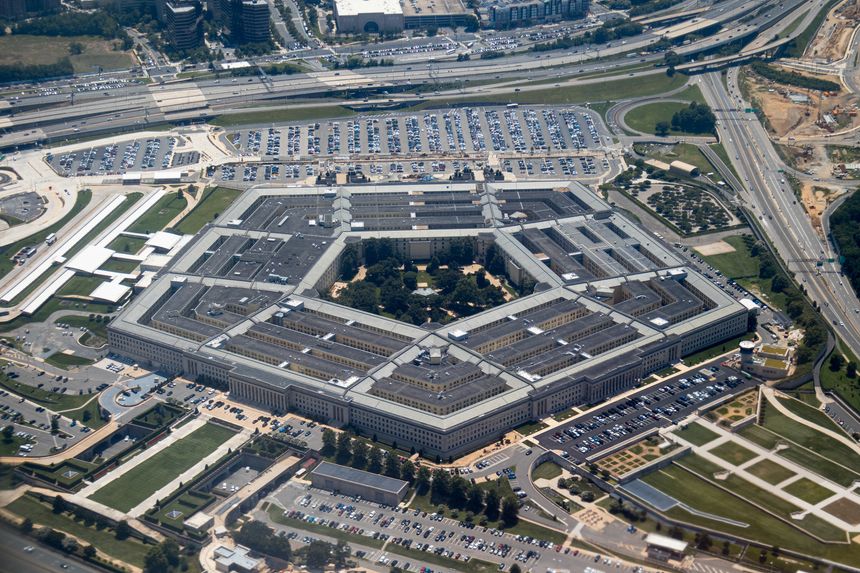
The Pentagon held off on naming “underperforming” defense contractors for now as it continues to review their performance to ensure the businesses are prioritizing the supply of weapons systems to U.S. warfighters.
Get in touch
Get in touch
/Passle/678abaae4818a4de3a652a62/SearchServiceImages/2026-08-12-21-32-53-009-6a7ce685041f696e4cb27312.jpg)
Companies looking for federal investments in energy infrastructure and critical minerals, materials, and mining finally have an...
/Passle/678abaae4818a4de3a652a62/SearchServiceImages/2026-09-24-16-08-28-399-6ab54afc480f2289e9a3c3e1.jpg)

/Passle/678abaae4818a4de3a652a62/SearchServiceImages/2026-08-31-02-23-38-311-6a94e5aa7f78a11931bf47f1.jpg)